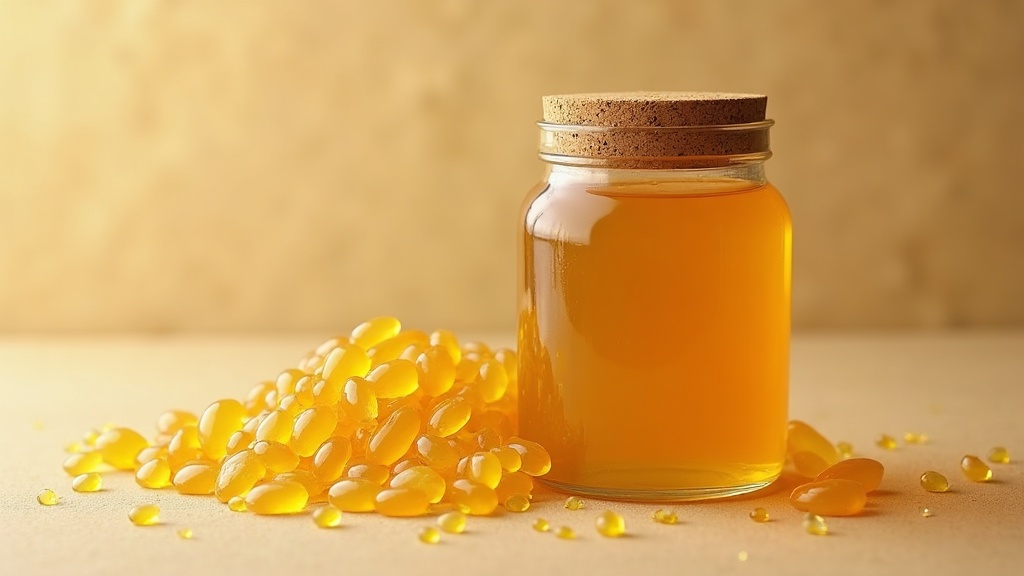
Long before it became a kitchen curiosity, Biblical drink (oil)/ Honey blend was simply part of how people closed a meal — a tradition worth understanding on its own terms, not a substitute for the medical guidance you already follow.
Meals are supposed to be simple. For a lot of people, they’ve quietly become the most complicated part of the day.
Deciding what counts as 'safe' to eat can turn a simple meal into a small research project, especially when advice from different sources doesn't agree.
Three meals a day, seven days a week — the mental effort of planning each one can feel heavier than the meal itself.
The steady rise and sudden dip in energy after eating can turn early afternoons into a quiet fight to stay focused.
Even after a full night's sleep, mornings can feel sluggish before the first meal of the day even happens.
Some ideas about eating get repeated so often they start to sound like fact. A closer look often tells a different story.
All carbohydrates behave the same way in a meal.
Carbohydrate sources vary widely in fiber and structure, and how they fit into a plate — treating them as one single category oversimplifies the picture.
Fruit is something to avoid altogether.
Whole fruit comes packaged with fiber and water, which is a different experience than juice or syrup — context matters more than a blanket rule.
There’s a special category of ‘diabetic food’ that’s automatically better.
Many products marketed this way are simply regular foods with different labeling — reading the actual ingredient list tends to matter more than the packaging claim.
None of this is a formula — just observations about how a meal is structured and paced.
Some people notice a difference in how a meal feels when vegetables and protein are eaten before the starchier parts — a small sequencing habit, not a strict rule.
Eating slowly, with pauses, is a different experience than finishing a plate in a few rushed minutes — pace is as much a habit as content.
A gentle walk after a meal, even ten minutes around the block, is a habit many traditional cultures built into the day long before it had a name.
Long before supplement aisles existed, honey and simple infused oils held a place in kitchens across the ancient Mediterranean and Middle East. Old texts and household traditions from that region describe honey blends used to close a meal or sweeten a warm drink, often alongside herbs steeped simply in hot water. Biblical drink (oil)/ Honey blend, as it’s known today, traces back to this same lineage — a pairing rooted in hospitality and everyday cooking rather than any clinical purpose. It shows up in old recipes for warm evening drinks, in stories about shared meals, and in the simple practice of ending dinner with something warm rather than something else. Understanding that history doesn’t change anything about a treatment plan — it’s a look at where a kitchen habit came from, nothing more. Anyone curious about bringing a tradition like this into a routine should keep their usual medical care in place and check with the professional who follows their health before changing anything.
Tradition explains where a habit came from — it doesn’t replace the guidance of the person managing your care.
If a particular kind of meal consistently leaves you feeling unusually foggy or heavy, that pattern is worth describing to the doctor who follows your care.
An energy dip that feels sharper or longer than what you're used to is something to mention at your next appointment, not something to self-diagnose.
Changes in thirst or appetite that last more than a few days deserve a conversation with your healthcare provider rather than guesswork.
If sleep consistently feels unrefreshing regardless of how early you go to bed, that's worth raising with your doctor.
Noticeable irritability or low mood around meal times is a pattern your doctor is better positioned to make sense of than a general article.
If you're ever unsure how a food habit fits with your current treatment, the right next step is asking the professional managing that plan, not adjusting it on your own.
These are personal accounts shared for illustrative purposes only. They describe individual experiences with everyday routines, not clinical outcomes. Results and experiences vary, and these testimonials are not a guarantee of any particular outcome. Always consult your healthcare provider before changing your diet, routine, or any prescribed treatment.
This page walks through the history of Biblical drink (oil)/ Honey blend and the everyday habits people build around meals, presented as educational content, not medical advice. Keep your regular medical care in place and talk to your doctor before changing anything about your treatment or routine.
Advertising Disclosure: This page contains sponsored content and affiliate links. We may receive compensation if you click a link or make a purchase through the links provided on this site. This helps support the content but does not influence our commitment to presenting balanced, educational information.
Content Disclaimer: This content is for educational and informational purposes only. It has not been evaluated by the Food and Drug Administration. It is not intended to diagnose, treat, cure, or prevent any disease, including diabetes or prediabetes. It is not a substitute for professional medical advice, diagnosis, or treatment. Always consult a qualified healthcare professional before making any changes to your diet, routine, or any prescribed treatment, including medication or insulin.
Results Disclaimer: Individual results and experiences vary. Any testimonials or personal accounts shared on this page reflect individual experiences and are not a guarantee of any particular outcome for anyone else.
© 2026 · All Rights Reserved